
Imagine the unimaginable: Earth’s sudden halt
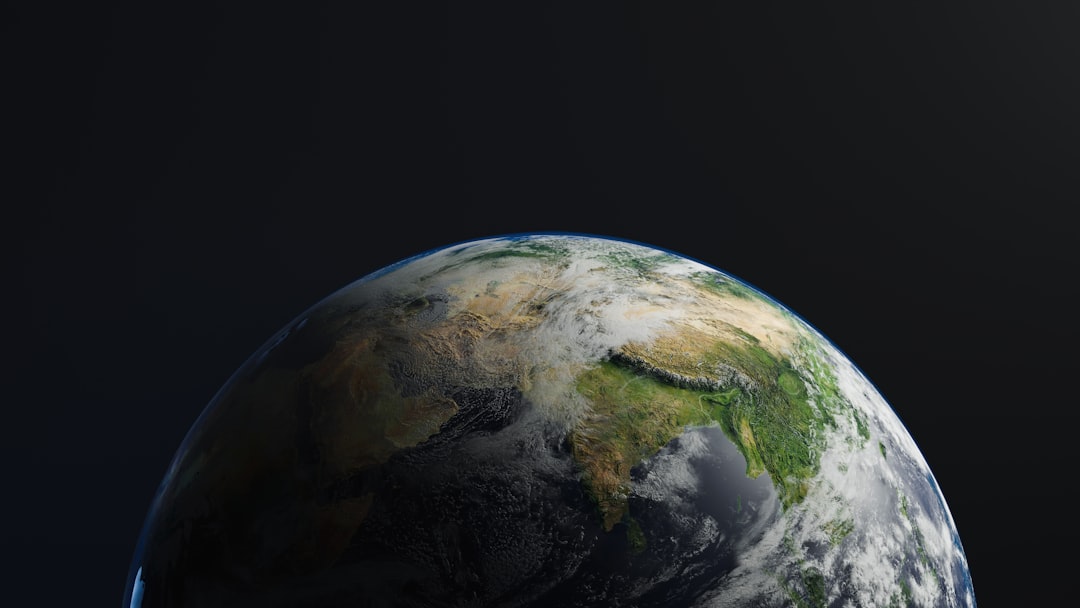
Have you ever paused to consider the incredible forces at play that keep our world spinning smoothly? We live on a giant ball of rock and water, hurtling through space, constantly rotating. But what if, for just one fleeting second, that rotation abruptly stopped? It sounds like a scene from a sci-fi movie, but this thought experiment reveals the astonishing fragility and power of our planet’s natural laws. Let’s dive into the mind-bending, catastrophic scenario of Earth ceasing its spin, even for the briefest moment.
Our planet’s constant motion: A silent journey
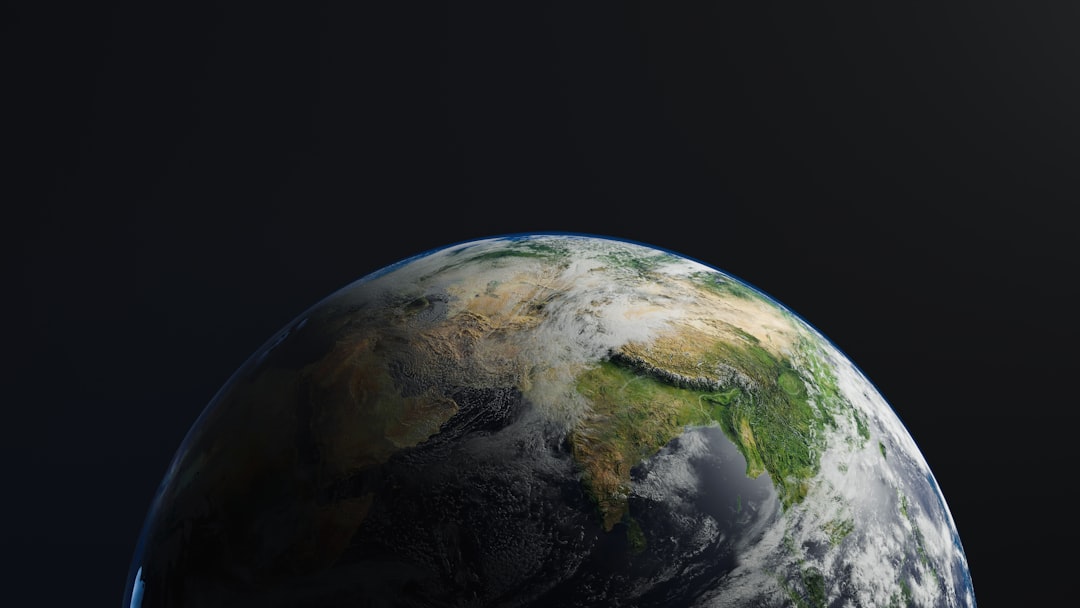
Most of us don’t feel it, but Earth is a remarkably fast-moving object. At the equator, the planet’s surface is spinning at approximately 1,670 kilometers per hour (about 1,037 miles per hour). Even at mid-latitudes, like New York City, you’re still moving at around 1,200 km/h (750 mph). This constant, steady motion is something we take for granted, as everything on Earth – including us, the atmosphere, and the oceans – moves along with it. It’s like being on a smoothly moving train; you don’t feel the speed until it suddenly brakes.
The immediate catastrophe: Inertia’s deadly dance
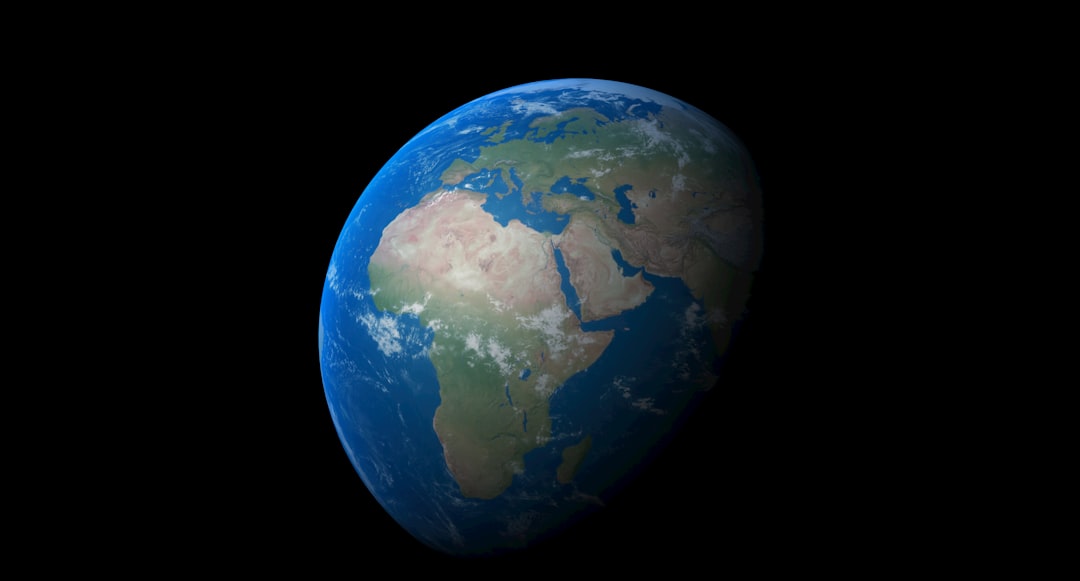
The moment Earth stops spinning, even for a second, inertia becomes our deadliest enemy. Everything not firmly anchored to the planet’s core – people, buildings, cars, trees, animals, loose rocks – would continue moving eastward at the speed they were previously traveling. Imagine being on that train, going 1,000 mph, and it instantly stops. You’d be flung forward with incredible force. This would result in unimaginable destruction, with objects and living beings becoming projectiles, crashing into anything in their path or being launched into the upper atmosphere.
Atmospheric chaos: Winds of unimaginable fury
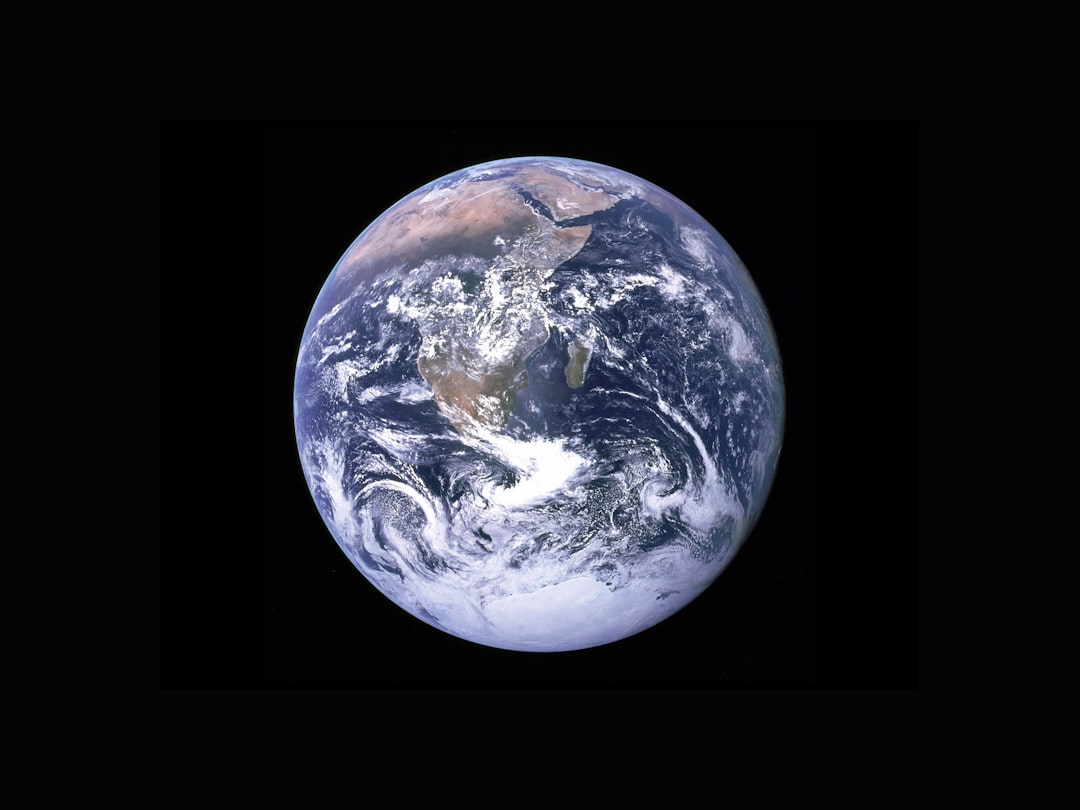
It’s not just solid objects that would be affected. The atmosphere, a vast ocean of air, also spins with the Earth. If the ground beneath it suddenly halted, the air would continue its eastward momentum. This would generate winds of unprecedented speed, far exceeding any hurricane ever recorded. These super-sonic winds would scour the Earth’s surface, stripping away topsoil, vegetation, and anything left standing after the initial impact. The friction alone would generate immense heat, turning the atmosphere into a fiery, destructive force.
Oceanic upheaval: Global tsunamis unleashed
The oceans, too, would be subject to inertia’s wrath. Imagine billions of tons of water, moving at hundreds of miles per hour, suddenly encountering a stationary seabed. This would create colossal tsunamis, unlike anything humanity has ever witnessed. These waves would surge inland, inundating continents, reshaping coastlines, and causing widespread devastation. Coastal cities would be obliterated, and even inland areas would face massive flooding as the oceans slosh violently across the planet’s surface.

Geological tremors: A planet ripped apart
Even the Earth’s crust wouldn’t be immune. The sudden deceleration would place immense stress on the planet’s tectonic plates. This could trigger a cascade of catastrophic earthquakes, far more powerful than any recorded in history. Volcanic eruptions would likely follow, as the internal pressures of the Earth are violently disrupted. The planet’s very structure could be compromised, leading to widespread fracturing of the landmasses and potentially altering the Earth’s geographical features forever.
Beyond the second: A new, harsh reality
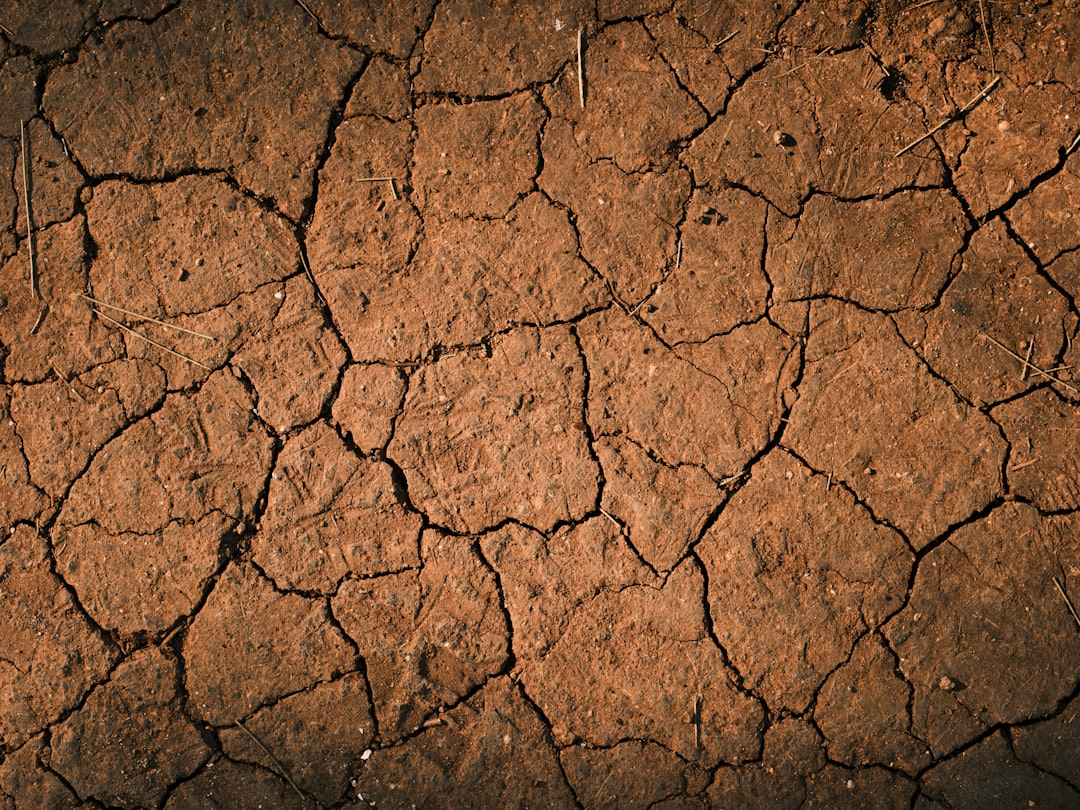
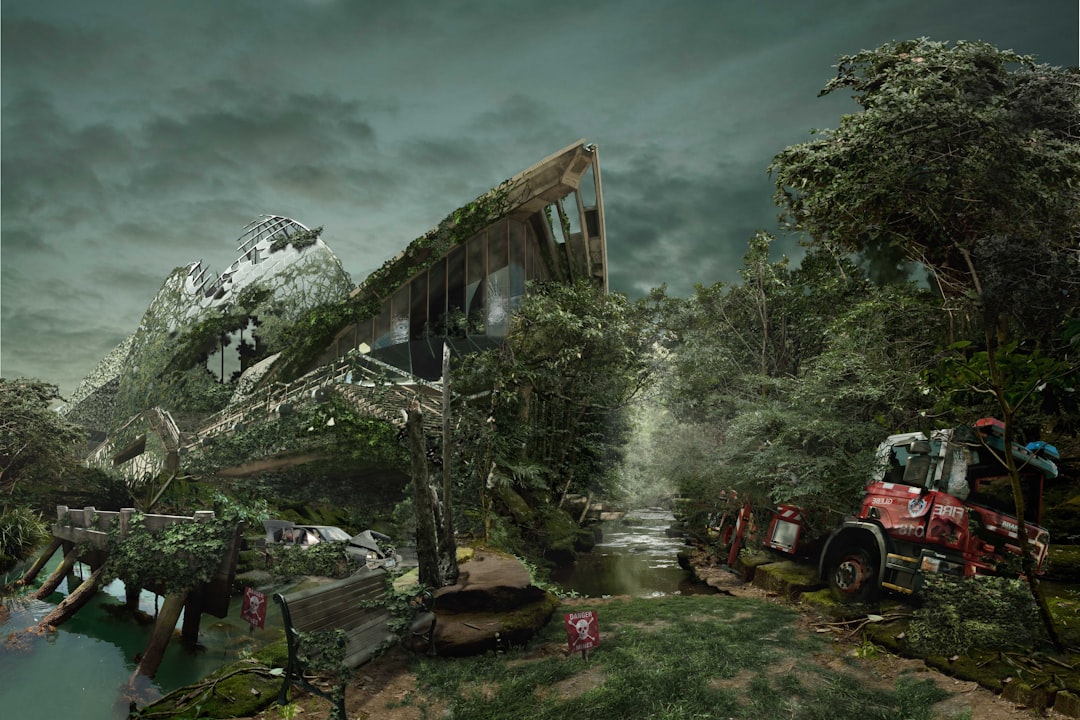
After that single, terrifying second, the Earth would theoretically resume its spin. But the damage would be done. The planet would be utterly transformed. Life as we know it would be virtually extinguished. The landscape would be scarred beyond recognition, the atmosphere choked with debris, and the oceans a chaotic mess. Surviving would be an unimaginable challenge, as the delicate balance that sustains life would be shattered. This thought experiment highlights how profoundly interconnected all aspects of our planet are.
A profound appreciation for Earth’s delicate balance
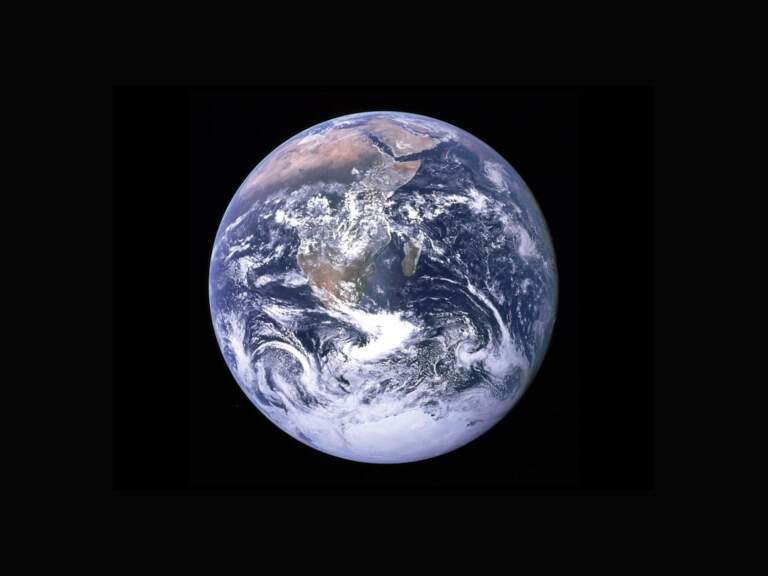
While the scenario of Earth stopping its spin is purely hypothetical and astronomically unlikely, it serves as a powerful reminder of the incredible stability and precision of our universe. It underscores how every natural process, from the smallest breeze to the planet’s rotation, contributes to the intricate web of life. This thought experiment encourages us to appreciate the delicate balance that allows life to flourish on our pale blue dot and to marvel at the fundamental laws of physics that govern our existence.







Leave a Comment